Light, design & the spaces people live in
Short weekly articles for lighting designers and interior designers — on vertical-plane illumination, circadian wellness, specification strategy, and the lived experience of light.
Latest
New every Tuesday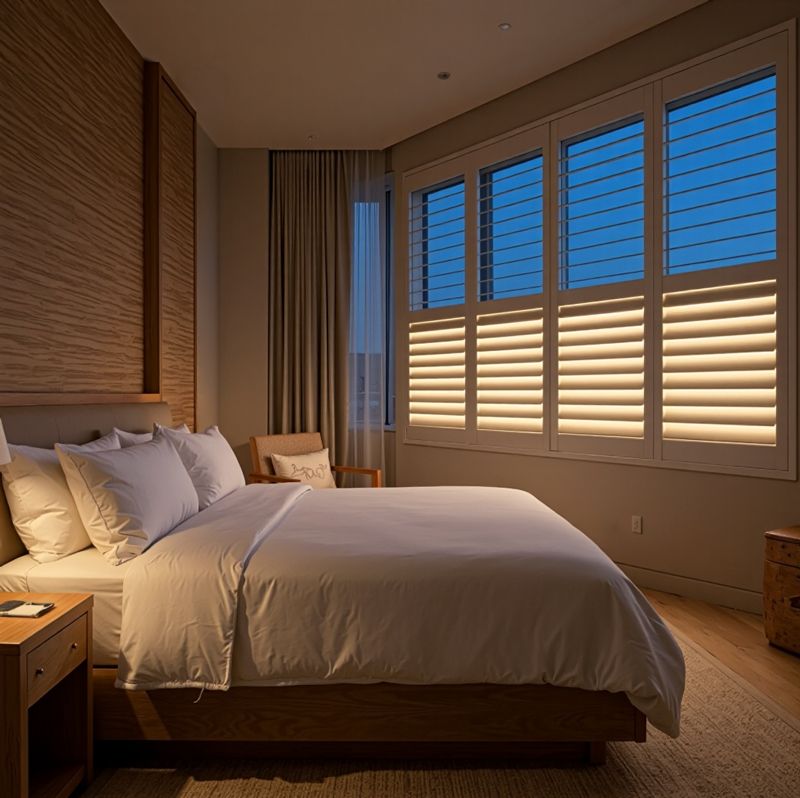
The Light People Remember
Ask someone to describe a room they loved and they rarely mention the lighting. They talk about how it felt. Calm. Warm. Special. They felt the light and credited the room. The best lighting is never noticed, only remembered, as a feeling. And that feeling becomes attached to the space, the experience, and the designer who created it.
Read the article →Published
12 articles
The Light People Remember
People forget the details of a room quickly. What lasts is how it made them feel. And the light they never noticed becomes the referral you never had to ask for.
Super Diffusion: Why the Quality of Light Matters More Than the Quantity
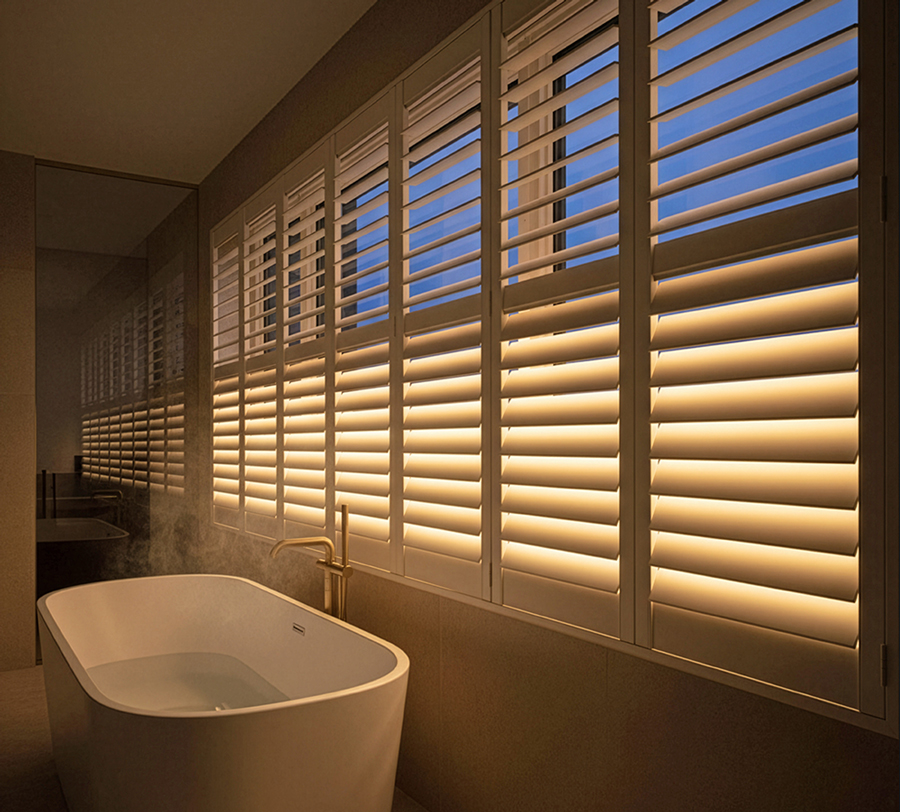
Lumens measure quantity, not quality. Inside the layered diffusion that turns a point source into a soft, even field, and why more lumens is the wrong metric.
Patient Rooms, Staff Wellness, and the Case for Window-Integrated Light in Healthcare
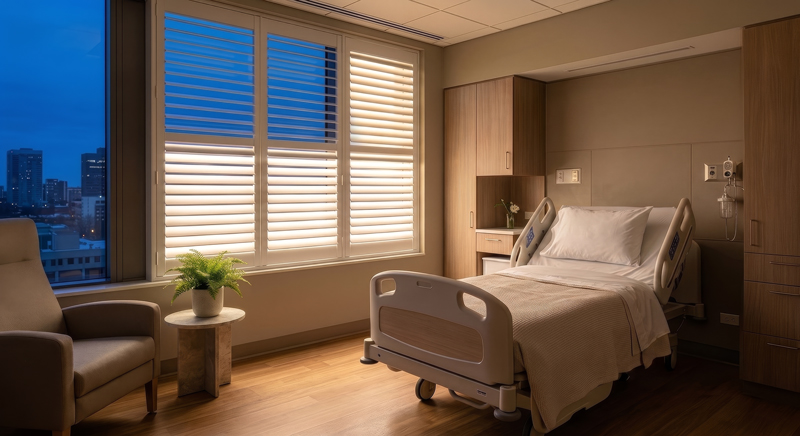
One specification serves three constituencies: patients who need to heal, staff who need to stay sharp, and facilities that need every surface to be cleanable.
Fewer Fixtures, More Atmosphere: A Minimalist Lighting Philosophy
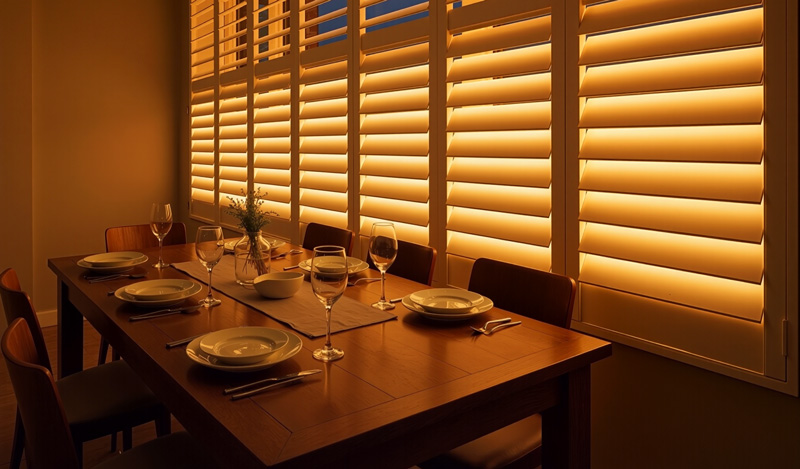
The best rooms don't add light sources. They subtract. Why one warm ambient layer at the window can carry a room the way a dozen fixtures never could.
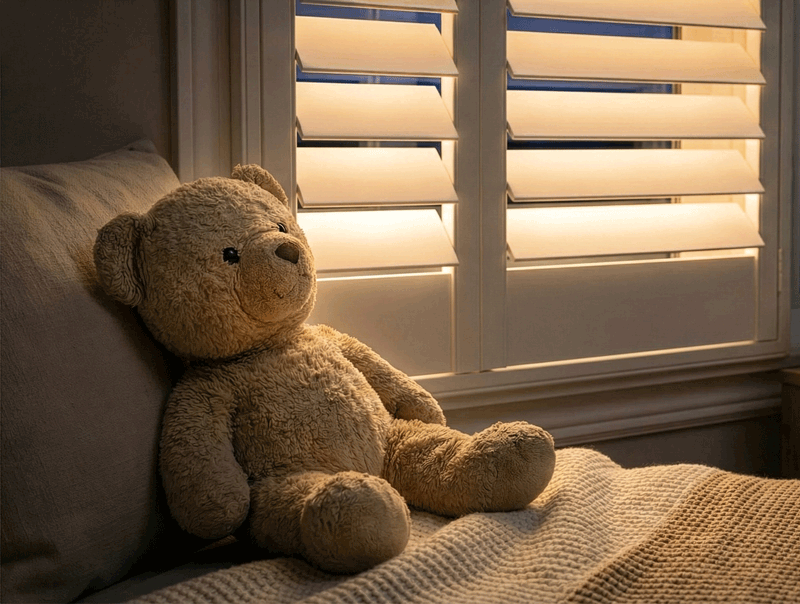
The Evening Wind-Down: Designing Spaces That Help People Actually Rest
The body was made to rest as light fades gradually, not to drop from noon to midnight in an instant. Here's how to design the evening transition into a space.
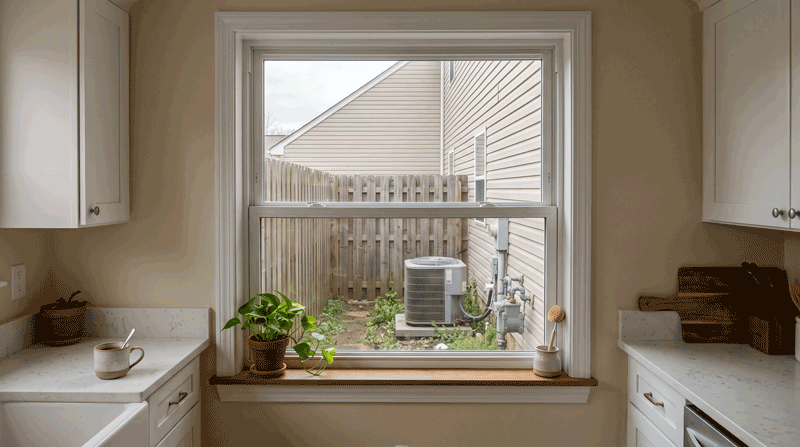
Poor-View Windows Are a Design Problem. They're Also an Opportunity.
The window facing the fence or the parking lot carries all the obligations of a window with none of the rewards. Reframe it as a light source and it becomes an asset.
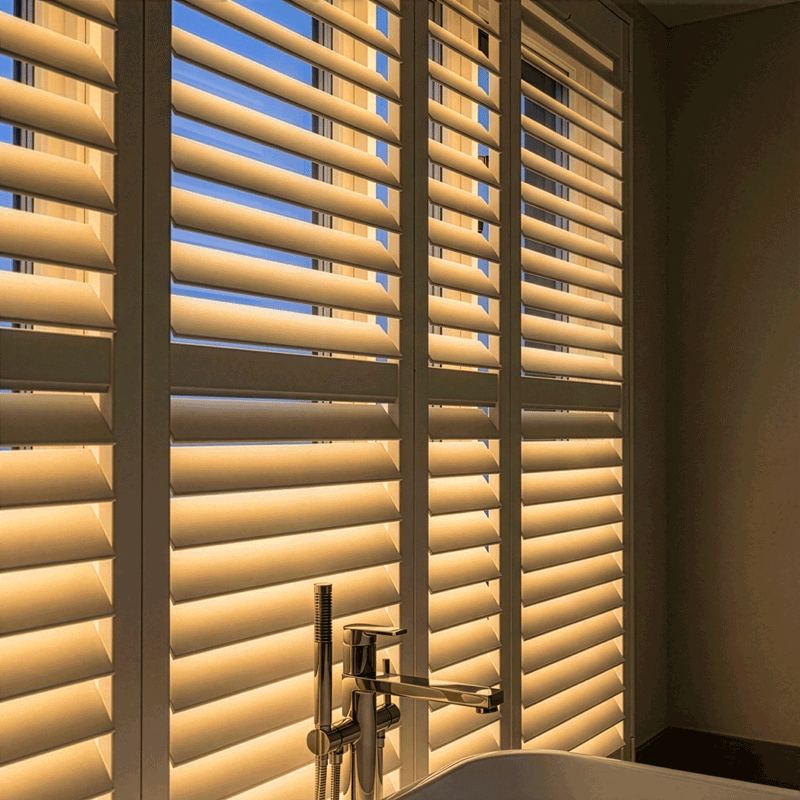
Light and Anxiety: What the Research Says About Soft Ambient Environments
Amber light produces the fastest cortisol reduction of any color tested. Here's what the UC Davis Color Lab findings mean for wellness-oriented design.
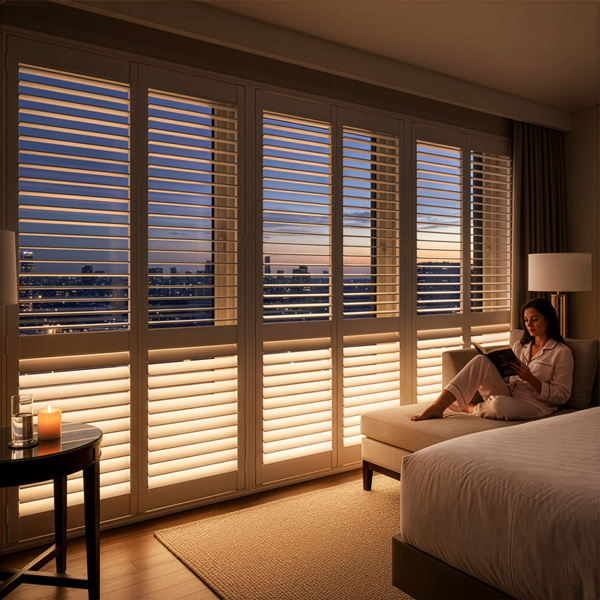
Hospitality Suites: The Lighting Detail Guests Feel But Never See
Why 90% of guests rank room comfort as the top satisfaction driver — and how a warm ambient layer from the window changes the first ten seconds of every stay.
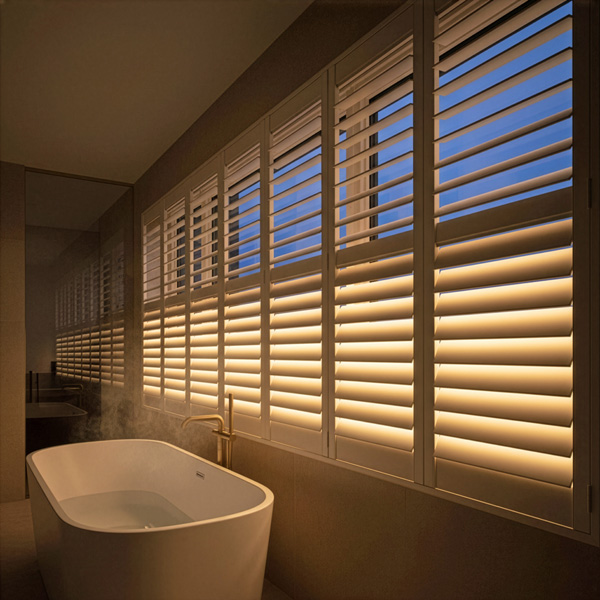
Circadian Lighting Without the Ceiling: A Specification Opportunity
The daily arc your body needs — dawn rise, active day, evening dim, night rest — delivered from the window instead of four to six tunable ceiling fixtures.
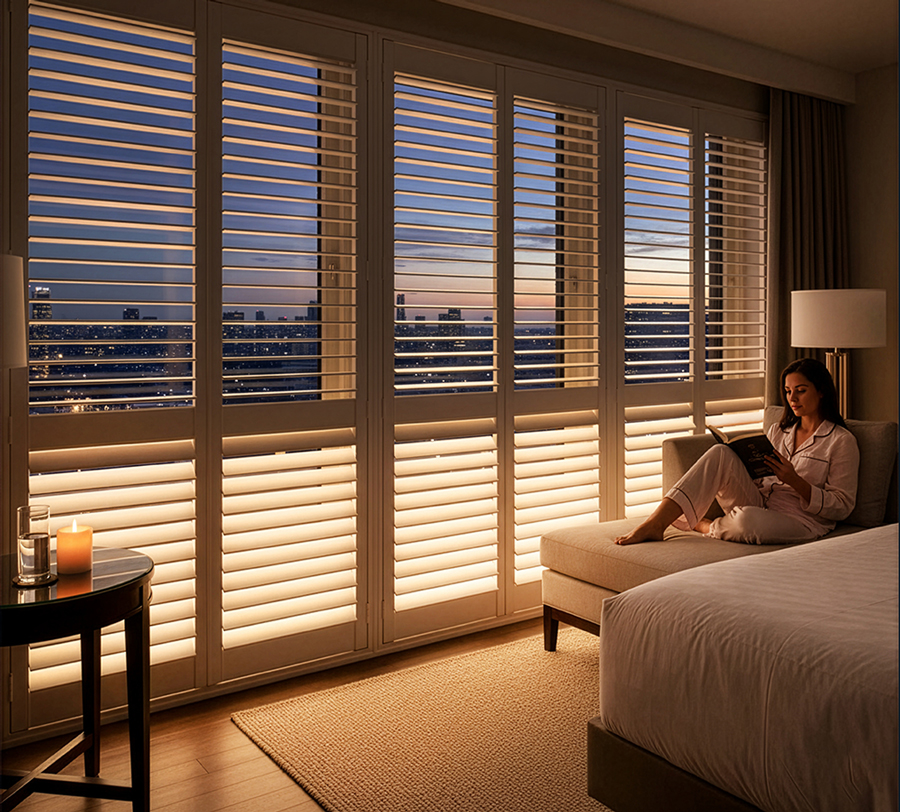
The Room With No Lamps: What Happens When You Remove Every Visible Light Source
A thought experiment for interior designers: strip the lamps, the cans, and the pendants — then add light back from the window. The room isn't darker. It's more yours.
The Vertical Light Plane: Why Designers Are Moving Ambient Light Off the Ceiling
Why illuminating walls at 100 lux produces 3–5× the perceived brightness of floor illumination — and what that means for your next lighting plan.
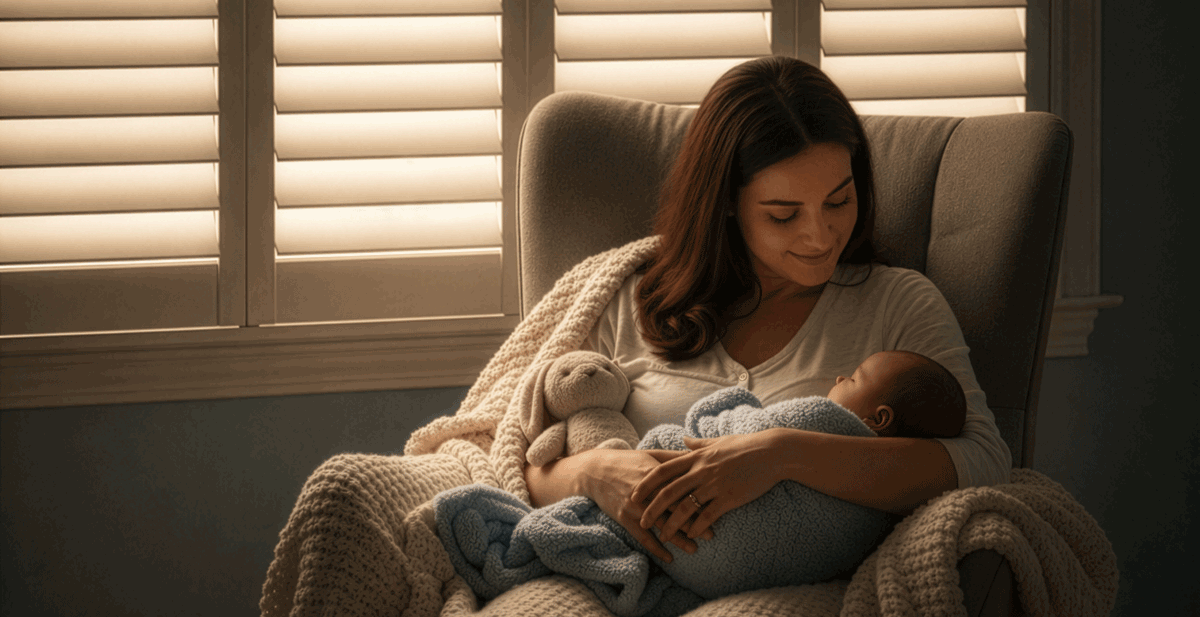
The Light You Wake Up To Matters More Than You Think
Every morning begins with a negotiation between your body and the light around it. For designers, this is more than a wellness talking point — it's a design problem hiding in plain sight.
The Series So Far
12 of 12 publishedOur twelve-week series on light, wellness, and design is complete. From the morning you wake to the light people remember, each piece explored how window-integrated light reshapes the way a room feels to live in. Every article remains above, ready whenever you'd like to revisit one.
More writing is on the way. If you'd like the next pieces as they publish, a showing is the best place to start the conversation.
Light that feels better to live with
The super-diffused quality of LiteLüvr is something you have to experience. One showing changes the conversation.